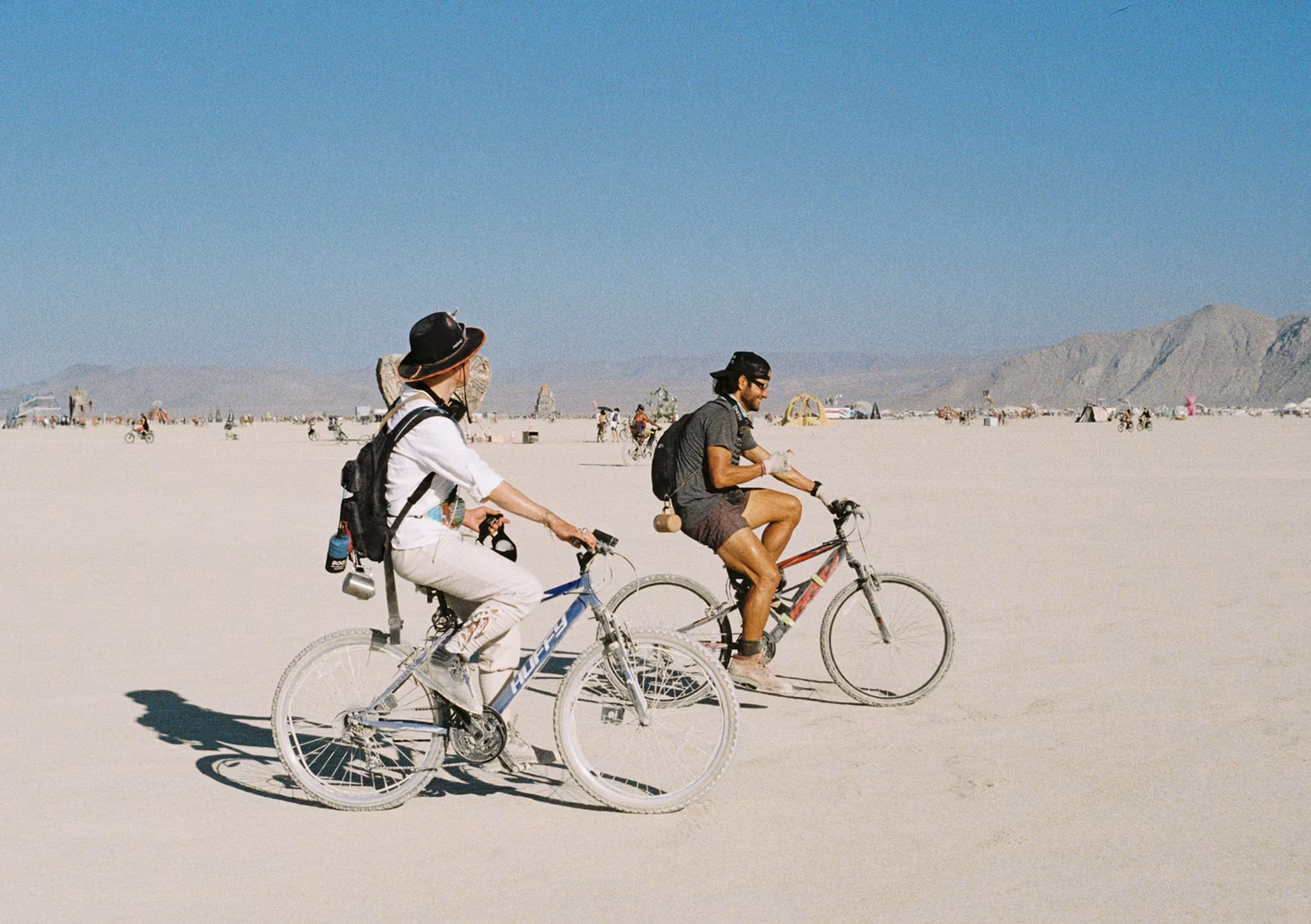
Festivals are a vibrant expression of cultural identity, uniting people across the globe in celebration of shared traditions, art, food, and spirituality. From music to literature, these gatherings enrich our lives and foster community bonds, allowing individuals to connect through joyous experiences. As we journey through the myriad festivals celebrated worldwide, we discover how they reflect the unique essence of each culture while promoting a sense of togetherness.
Cultural Festivals: Celebrating Heritage
Cultural festivals serve as a cornerstone for communities, showcasing their traditions and values. Events like Diwali in India, the Day of the Dead in Mexico, and the Lantern Festival in China illuminate the significance of heritage and community. Diwali, also known as the Festival of Lights, symbolizes the victory of light over darkness. During this time, families come together to decorate their homes with colorful rangoli, light oil lamps, and celebrate with fireworks. The spirit of Diwali transcends individual households, as neighborhoods come alive with communal celebrations, fostering a sense of unity among residents.
The Day of the Dead, or Día de los Muertos, is a poignant yet joyous occasion that honors deceased loved ones in Mexican culture. Families create altars adorned with photographs, flowers, and favorite foods of the departed, inviting them to join the celebration. This festival not only preserves cultural heritage but also strengthens family bonds, reminding participants of the importance of remembering and cherishing those who have passed.
In China, the Lantern Festival marks the end of the Lunar New Year celebrations. Colorful lanterns illuminate the night sky as families gather to solve riddles and enjoy traditional foods like tangyuan, symbolizing reunion and togetherness. Such cultural festivals highlight the rich tapestry of human experience, showcasing how communities honor their history while creating lasting memories.
Music Festivals: A Universal Language
Music festivals transcend geographical boundaries, celebrating diverse musical genres and fostering connections among attendees. Renowned events like Coachella, Glastonbury, and Lollapalooza attract music lovers from around the world, creating an atmosphere filled with energy and camaraderie. These festivals offer more than just performances; they create a space where individuals can bond over their shared love for music, connecting with others through rhythm and melody.
At music festivals, the experience goes beyond the stage. Attendees engage in various activities, from art installations to food stalls, enhancing the communal atmosphere. Workshops and panel discussions often accompany performances, allowing fans to learn from artists and industry professionals. The sense of belonging cultivated at music festivals is unparalleled, as strangers come together to celebrate their favorite musicians and discover new sounds.
Religious Festivals: A Time for Reflection
Religious festivals play a vital role in spiritual communities, providing opportunities for reflection, worship, and connection. Events like Christmas, Eid al-Fitr, and Hanukkah bring families and communities together in celebration of faith and tradition. Christmas, celebrated by millions worldwide, embodies the spirit of giving and togetherness. Families gather to exchange gifts, share festive meals, and participate in church services, reinforcing the importance of love and generosity.
Eid al-Fitr marks the end of Ramadan, a month of fasting and spiritual reflection for Muslims. Families come together for communal prayers, enjoy feasts, and engage in acts of charity, reinforcing the values of compassion and gratitude. Such religious observances nurture spiritual growth and foster connections among participants, creating a supportive environment for individuals to express their beliefs.
Culinary Festivals: A Feast for the Senses
Culinary festivals celebrate the art of food, showcasing local and international cuisines that reflect cultural diversity. Events like the Taste of Chicago, the Melbourne Food and Wine Festival, and the Food Network & Cooking Channel South Beach Wine & Food Festival offer attendees the chance to indulge in a variety of flavors and culinary traditions. These festivals not only tantalize taste buds but also support local chefs and artisans, promoting sustainable practices in the culinary world.
At these events, attendees can sample an array of dishes, attend cooking demonstrations, and engage with local farmers and producers. The communal aspect of sharing meals fosters connections among participants, as food often serves as a medium for storytelling and cultural exchange. Culinary festivals encourage appreciation for the rich tapestry of flavors that define a culture, inviting everyone to celebrate the joys of gastronomy together.
Arts and Crafts Festivals: Showcasing Creativity
Arts and crafts festivals are vibrant celebrations of creativity, providing a platform for local artisans to showcase their work. Events like the Renegade Craft Fair and Art Basel invite artists and creators to display their talents, allowing attendees to engage with art in a meaningful way. These festivals often include workshops and interactive exhibits, encouraging participants to explore their artistic abilities while appreciating various art forms.
By promoting handmade goods and local artistry, these festivals foster a sense of community and support for local creators. They highlight the importance of craftsmanship and the stories behind the art, emphasizing cultural heritage and creativity. Festivals centered on arts create spaces where individuals can connect, share experiences, and celebrate the diversity of human expression.
Seasonal Festivals: Honoring Nature’s Cycles
Seasonal festivals connect communities to the natural world, celebrating the changing rhythms of the seasons. Events like the Harvest Festival, Midsummer celebrations, and the Cherry Blossom Festival bring people together to honor the beauty of nature and the bounty it provides. Harvest Festivals, for example, allow communities to express gratitude for the crops harvested during the year, often featuring local produce, traditional recipes, and communal feasting.
Midsummer celebrations, celebrated in various cultures, emphasize the joy of summer with music, dance, and festivities that embrace the warmth of the season. These gatherings serve to remind participants of their connection to the earth and the importance of sustainability. Seasonal festivals highlight the beauty of nature and the need to protect our environment, fostering a sense of stewardship within communities.
Literary Festivals: Celebrating Words and Ideas
Literary festivals bring together authors, poets, and readers in a celebration of literature and storytelling. Events like the Hay Festival and the Brooklyn Book Festival invite attendees to engage in discussions, readings, and workshops that foster a love for books and writing. These gatherings create spaces for authors to connect with their audience, encouraging dialogue around important themes and contemporary issues.
Literary festivals nurture a community of book lovers, allowing for the celebration of diverse voices and perspectives. They highlight the impact of storytelling on society, showcasing how literature can inspire change and provoke thought. Through these festivals, individuals can discover new authors, share their love for literature, and engage in discussions that deepen their understanding of the world.
Conclusion: The Unifying Power of Festivals
Festivals are a beautiful testament to the diversity of human culture, celebrating the shared experiences that unite us all. They provide spaces for connection, joy, and understanding, reminding us of the richness of life. As we engage in these vibrant celebrations, we not only honor our own traditions but also recognize the value of cultural exchange and community spirit. In a world that thrives on connection and shared experiences, festivals serve as a powerful reminder of our collective humanity and the joy of coming together in celebration.